

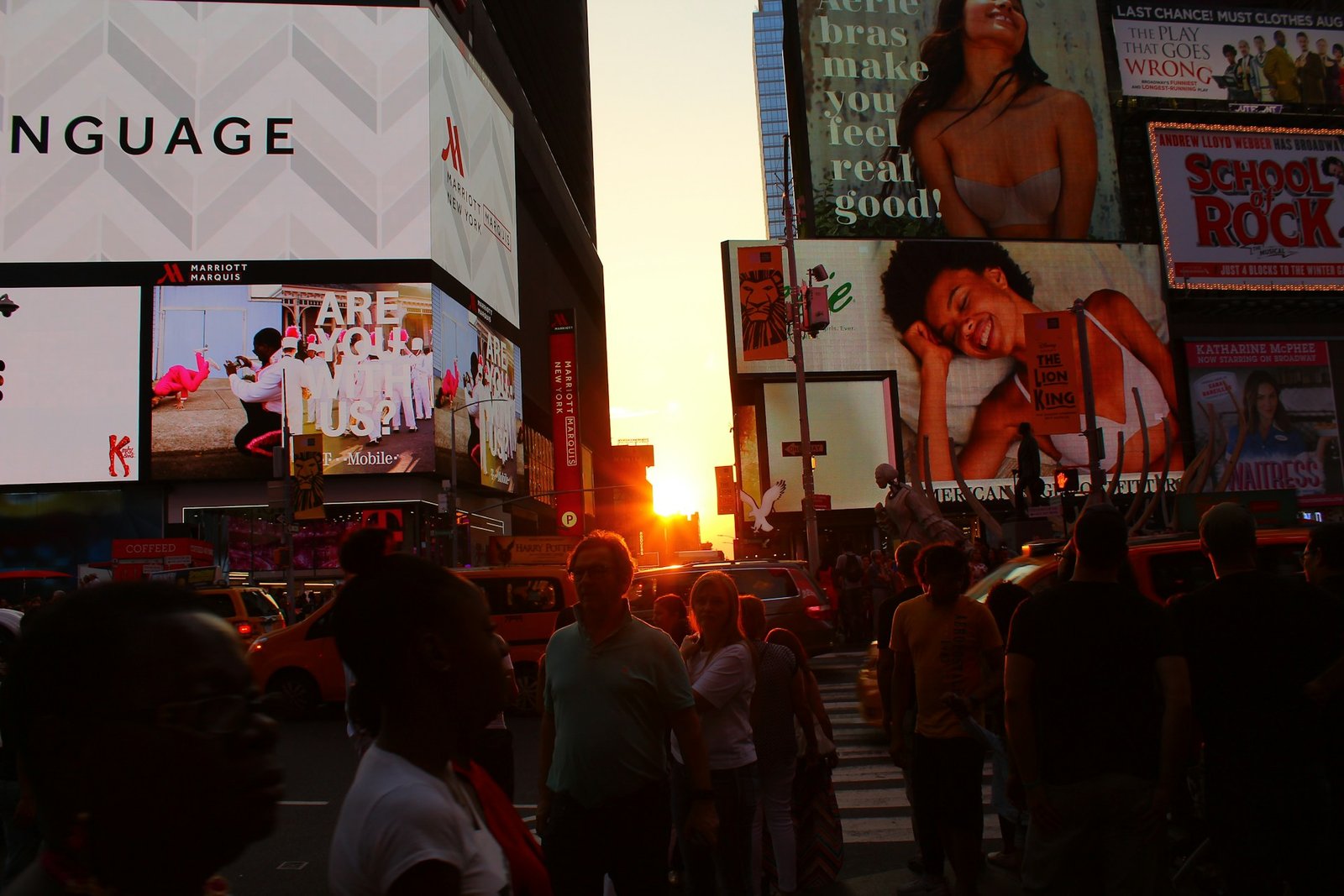
Out-of-home (OOH) advertising in India is far from outdated. If anything, it is becoming more relevant as cities grow denser and daily commutes get longer. In a world filled with digital ads and endless scrolling, a physical brand presence in public spaces still carries weight. It creates familiarity, builds trust, and often stays in memory longer than a fleeting screen impression.
What makes OOH effective today is not just the size of the billboard or the scale of the media spend. The real difference lies in the creative thinking behind it. Campaigns that respond to context, culture, and environment tend to stand out. This guide looks at the creative strategies that make OOH advertising in India work today—from hyper-local messaging to formats that connect physical visibility with digital interaction.
Why OOH Advertising Still Matters in India
Despite the dominance of digital media, outdoor advertising continues to play a significant role in India.
Urban density and commuter exposure
Indian cities are busy, crowded, and constantly in motion. Millions of people pass through the same roads, metro stations, bus stops, and commercial areas every day. This repeated exposure naturally increases frequency, which is one of the biggest drivers of brand recall.
Cultural relevance of public spaces
Public spaces in India are not just transit zones. They are places where people shop, gather, interact, and spend time. Streets and markets are full of visual stimuli, making outdoor advertising feel like a natural part of the environment rather than an interruption.
Trust and legitimacy
A strong physical presence often signals credibility. When a brand appears on large billboards or transit media, it creates a perception of scale and seriousness. Many consumers still associate outdoor visibility with established, trustworthy brands.
How OOH Advertising Has Evolved in the Indian Market
The OOH landscape in India has changed noticeably over the years.
From static billboards to contextual formats
Traditional hoardings still exist, but brands now explore more contextual placements. Metro panels, building wraps, street furniture, and transit media allow messages to align more closely with specific audiences and environments.
Integration with digital and mobile
OOH is no longer a standalone medium. Many campaigns now guide viewers to digital platforms using QR codes, hashtags, or app links. This approach turns physical visibility into measurable engagement.
Rise of DOOH and experiential formats
Digital out-of-home (DOOH) screens are becoming more common in malls, airports, and commercial districts. At the same time, experiential installations are transforming outdoor spaces into interactive brand moments.
What Makes an OOH Campaign Effective
A strong OOH creative strategy is built on clarity, context, and visual discipline.
Simplicity and speed of communication
Most outdoor ads are seen in motion. Drivers, commuters, and pedestrians only have a few seconds to absorb the message. Simple ideas and clear visuals perform far better than complex copy.
Location–context alignment
The most effective campaigns respond to their surroundings. A message near a tech park, college, or shopping hub should reflect the mindset of the people in that area.
Visual hierarchy and legibility
Clear typography, strong contrast, and uncluttered layouts make messages readable from a distance. Good hierarchy ensures the main idea is understood instantly.
Read about OOH Advertising in Mumbai vs New York: A Smart Cities Comparison
Creative OOH Strategies That Work in India
Contextual and hyper-local messaging
India’s cultural diversity makes localisation a powerful creative approach.
- Regional languages increase relatability.
- Local humour and references make campaigns feel familiar.
- City-specific insights create stronger emotional connections.
Campaigns that feel native to a location often spark more conversation than generic national creatives.
Minimalist visual storytelling
In outdoor advertising, less is often more.
- Bold visuals communicate faster than long copy.
- Clean layouts improve readability.
- A single strong idea tends to be more memorable than multiple weak ones.
Design-led storytelling ensures the message is understood even during brief exposure.
Interactive and experiential OOH
Some of the most memorable campaigns invite participation rather than passive viewing.
- Live installations
- Public interactions
- Temporary brand experiences
These formats turn advertising into an event, encouraging social sharing and word-of-mouth.
Digital integration and QR-led engagement
Modern OOH campaigns often act as gateways to digital experiences.
- QR codes connect viewers to websites or apps.
- Hashtags drive social media interaction.
- Location-based offers encourage immediate action.
This approach makes outdoor advertising more measurable and results-driven.
Time-bound and moment marketing
Timing plays a major role in the effectiveness of OOH campaigns.
- Festivals
- Elections
- Sports events
- Seasonal changes
When creatives align with cultural moments, they feel more relevant and timely, which improves recall.
DOOH and the Rise of Smarter Outdoor Advertising
Digital out-of-home is reshaping how brands use outdoor media.
Dynamic creatives
DOOH screens allow multiple creatives to rotate throughout the day. Messages can change based on time, audience, or location.
Programmatic buying
Programmatic DOOH enables more flexible and targeted media buying, similar to digital advertising.
Real-time content relevance
Some campaigns now respond to real-time data such as weather, traffic, or live events. This makes the messaging feel more immediate and context-aware.
Read blog on Hyper-Personalized DOOH Advertising in 2026: Trends & Impact
Common OOH Advertising Mistakes Brands Make
Even large-budget campaigns can fail due to simple creative errors.
Overcrowded creatives
Too much text or too many visuals make the message hard to absorb.
Ignoring viewing distance and speed
Designs that look good up close may be unreadable from a moving vehicle or across a wide road.
Treating OOH like print ads
Outdoor advertising is not meant for detailed explanations. It requires quick, clear communication.
Lack of integration with other channels
When OOH campaigns exist in isolation, they miss opportunities to extend engagement through digital or social platforms.
Measuring the Impact of OOH Advertising
OOH effectiveness can be measured through a combination of traditional and digital metrics.
Brand recall and awareness lift
Surveys and brand studies help track changes in awareness after campaigns.
Location-based metrics
Traffic counts, footfall data, and impression estimates provide insights into reach.
Integration with digital analytics
When OOH drives audiences online, brands can track:
- QR code scans
- Website visits
- App downloads
- Social media interactions
This provides a clearer view of campaign performance.
When OOH Advertising Makes the Most Sense for Brands
OOH is particularly effective in certain situations.
Brand launches
Large-format visibility helps introduce new brands quickly.
Market expansion
Outdoor campaigns signal a brand’s entry into new cities or regions.
High-impact visibility drives
When scale and presence are priorities, OOH delivers strong physical reach.
Category leadership positioning
Consistent outdoor presence reinforces authority and leadership within a category.
Conclusion
OOH advertising works best when creativity respects context. The most memorable campaigns feel like they belong to the city rather than being forced into it. In India, outdoor advertising remains powerful when strategy leads execution. The medium rewards clarity, cultural awareness, and thoughtful placement.
Great OOH campaigns do not rely on noise alone. They earn attention by blending into the rhythm of the streets they occupy—and that is what keeps them in people’s minds long after the journey ends.
Learn more about OOH Advertising & Brand Visibility Services from Trivium Media Group