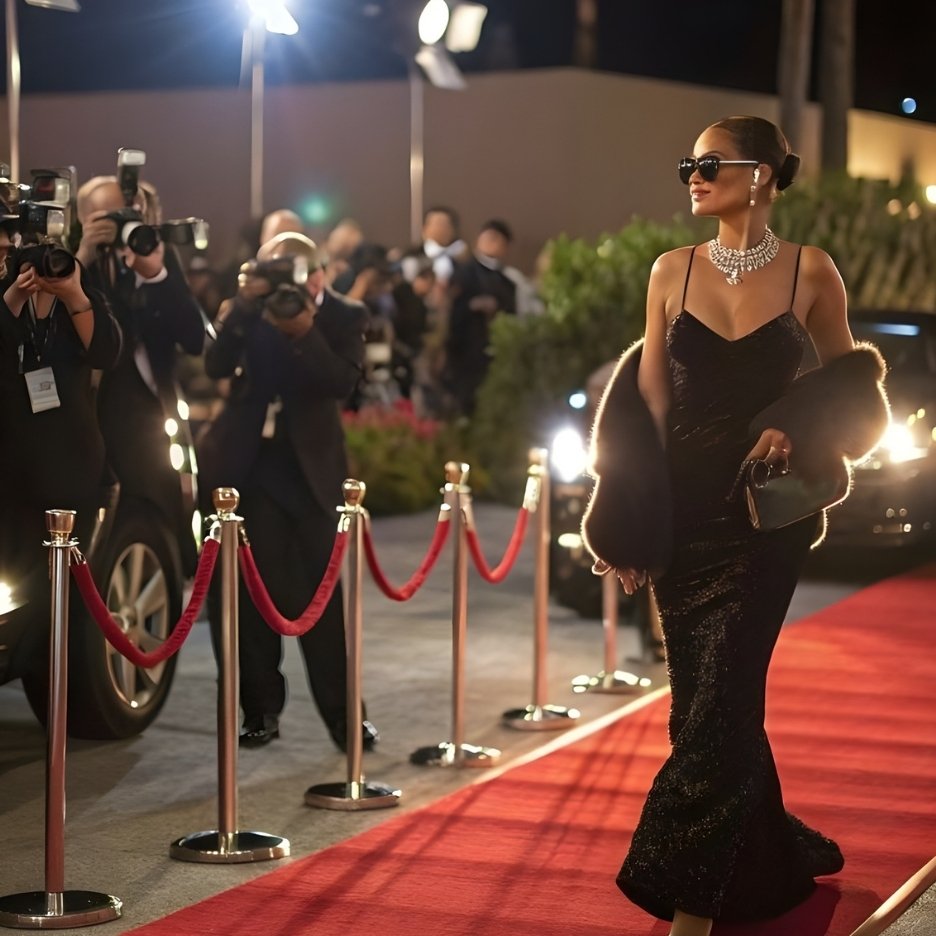
Most influencer marketing agencies represent brands. Most talent agencies represent talent. We operate on both sides — which means we understand what talent actually needs from a brand partnership (creative autonomy, fair compensation, category exclusivity, alignment with their positioning trajectory) and what brands actually need from talent (authentic audience engagement, genuine product affinity, commercial reliability, and compliance discipline). When both parties understand each other’s requirements, partnerships are negotiated better, executed more effectively, and sustained longer.
For premium brands in our sectors — architecture, hospitality, real estate, fashion, lifestyle — influencer and celebrity partnerships carry both significant opportunity and significant risk. The opportunity is reaching an engaged, trust-based audience through a voice that the audience has already invested in. The risk is that the wrong association communicates the wrong positioning signal to exactly the audience the brand is trying to influence.
A boutique hotel hosting a macro travel influencer whose audience skews toward budget travel and package deals doesn’t just fail to build luxury credibility — it actively undermines it. A real estate developer partnering with a lifestyle celebrity whose audience has no geographic or financial relationship with the development generates visible engagement and zero qualified enquiries. In premium categories, partnership decisions require brand positioning logic, not audience size optimisation.